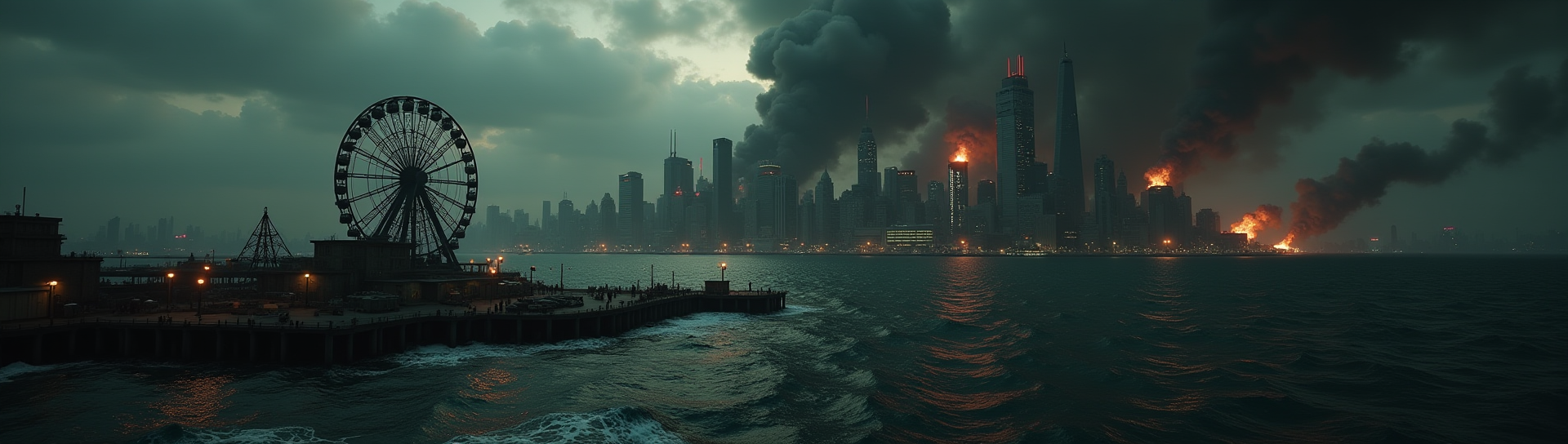
No-Prep Tabletop Role-Playing Game
A tabletop role-playing game where you face the zombie apocalypse. Combine strategy, survival, and cards in an intense, unforgiving experience.
A post-apocalyptic world where every decision may be your last. Constant tension.
A hybrid card-and-RPG mechanic for a one-of-a-kind tactical experience.
Manage food, ammunition, and your group's morale to survive.
An event system that makes every session different and replayable.
CardPG is a card-driven tabletop RPG designed to play through a zombie apocalypse without heavy preparation. In a ruined world, players portray survivors with sometimes conflicting motives, forced to cooperate to protect their group, find resources, and cross infested districts.
The system uses a highly accessible core: when an action is risky or uncertain, roll 2d6 against a simple success threshold (7+), modified by the situation and the character's strengths and weaknesses. Extreme doubles (2 and 12) create critical failures and successes that can abruptly turn a scene around, just like in a great zombie movie.
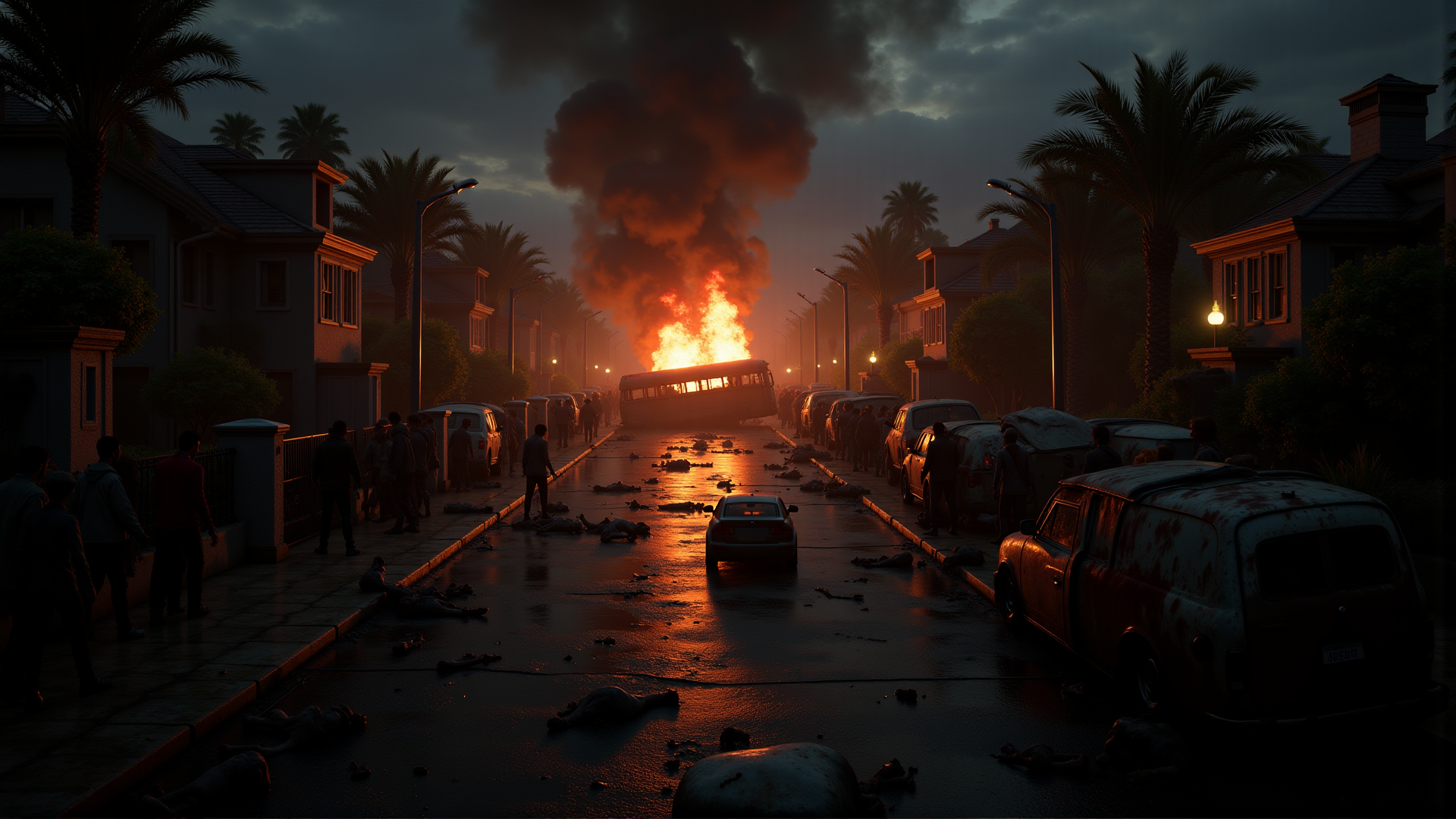
CardPG stands out through its no-prep session flow. The Game Master draws from several decks: Premise cards (the state of the world), Locations, Events, Threats (infected and humans), and even Infection and Symptoms. With only a few cards, they have a complete three-act scenario, ready-to-play scenes, and a clear tension curve without writing a line in advance. Every draw reframes the fiction: a blocked tunnel, an armed-survivor barricade, a horde drawn by noise, an infected ally trying to hide it…
Finally, Action Cards and character Impulses set the pace: they push players to take risks, trigger temporary advantages, complications, or dilemmas, and give the GM immediate hooks to build from. The result is fast, tense, highly replayable sessions where drama emerges naturally from the card draw rather than a fixed scenario.
CardPG takes survival further with real-time infection management. When a character is bitten or exposed, a countdown begins with a real timer on the table: a roll determines the remaining time before transformation, measured in real minutes. While it runs, a Symptom card describes how the infection manifests (fever, tremors, a vacant stare, salivation, and so on) and how the character tries to hide it from the others. The tension no longer exists only in the fiction: every scene uses time on the clock, every detour or hesitation brings the turning point closer, and the group quickly faces a central question: “who is willing to do what, and for how long, to save someone who is about to turn?”